Hawaii Trip Planning: Which Island to Choose + 7-Day Sample Itineraries
This article may contain affiliate links. If you click on these links and make a purchase, we may receive a small commission at no extra cost to you. This helps support our website and allows us to continue to produce content like this. Thank you for your support!
White sand beaches, dramatic volcanic landscapes, lush rainforests, and the warm aloha spirit — Hawaii captivates travelers with its unparalleled natural beauty and rich cultural heritage. But with six visitable islands, each offering its own unique experience, the first challenge of Hawaii trip planning is often deciding which island to visit. Should you choose the bustling energy of Oahu, the romantic valleys of Maui, the dramatic landscapes of Kauai, or the volcanic wonders of the Big Island?
As a frequent Hawaii visitor who’s explored all four major islands, I understand this dilemma. That’s why I’ve created this comprehensive guide to help you select the perfect Hawaiian island for your vacation style and provide ready-to-use 7-day itineraries that maximize your time in paradise. Whether you’re a first-time visitor, a honeymooner seeking romance, or an adventure enthusiast chasing thrills, this guide will transform your Hawaii trip planning from overwhelming to exciting.
Hawaii Trip Planning: Choosing Your Perfect Island
Each Hawaiian island has its own distinct personality, attractions, and atmosphere. Understanding these differences is crucial for planning a trip to Hawaii that aligns with your travel preferences. Let’s explore what makes each island special to help you make the right choice.
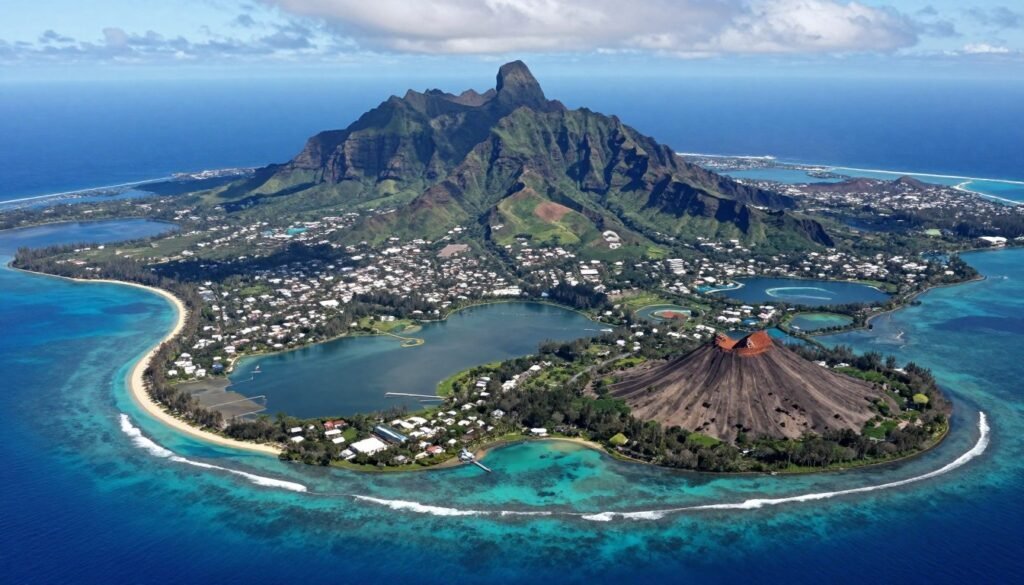
The Hawaiian archipelago offers six visitable islands, each with its own unique character and attractions
Oahu: “The Gathering Place”
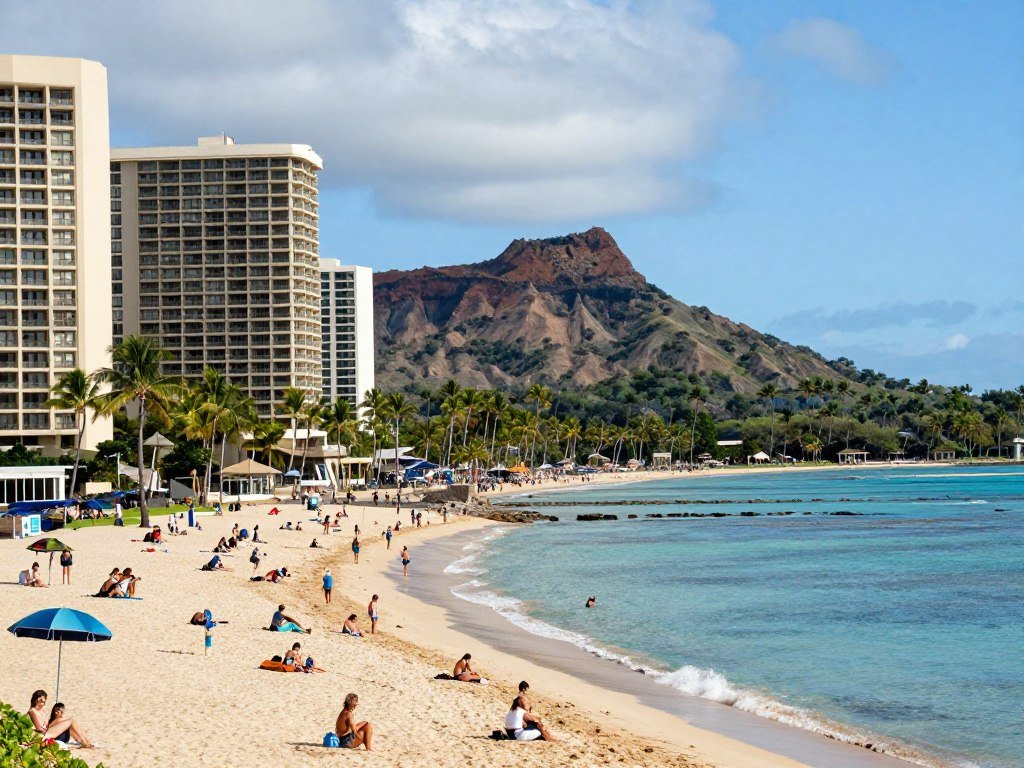
Key Highlights:
- Waikiki Beach and Diamond Head
- Pearl Harbor and USS Arizona Memorial
- North Shore’s legendary surf spots
- Diverse dining and shopping options
- Polynesian Cultural Center
- Kualoa Ranch (where Jurassic Park was filmed)
- Lanikai Beach and the Pillbox Hike
Ideal For:
- First-time visitors to Hawaii
- History and culture enthusiasts
- Travelers who enjoy a mix of city and nature
- Shoppers and foodies
- Families with varied interests
- Surfers (especially in winter months)
Pros
- Most accessible island with the most flight options
- Greatest variety of accommodations for all budgets
- Excellent public transportation options
- Widest range of dining and shopping experiences
- Perfect balance of urban amenities and natural beauty
Cons
- Most crowded and developed of all Hawaiian islands
- Traffic congestion, especially in Honolulu
- Waikiki can feel touristy and commercialized
- Less “untouched” natural beauty compared to other islands
Oahu offers the perfect introduction to Hawaii, blending cosmopolitan experiences with stunning natural landscapes. It’s the most developed island, home to approximately 75% of Hawaii’s population and the state capital, Honolulu. If you want a vacation that combines beach relaxation, cultural experiences, historical sites, and urban amenities, Oahu is your ideal choice.
Ready to explore Oahu?
Find the best flight deals to Honolulu International Airport (HNL) and start your Hawaiian adventure.
Maui: “The Valley Isle”
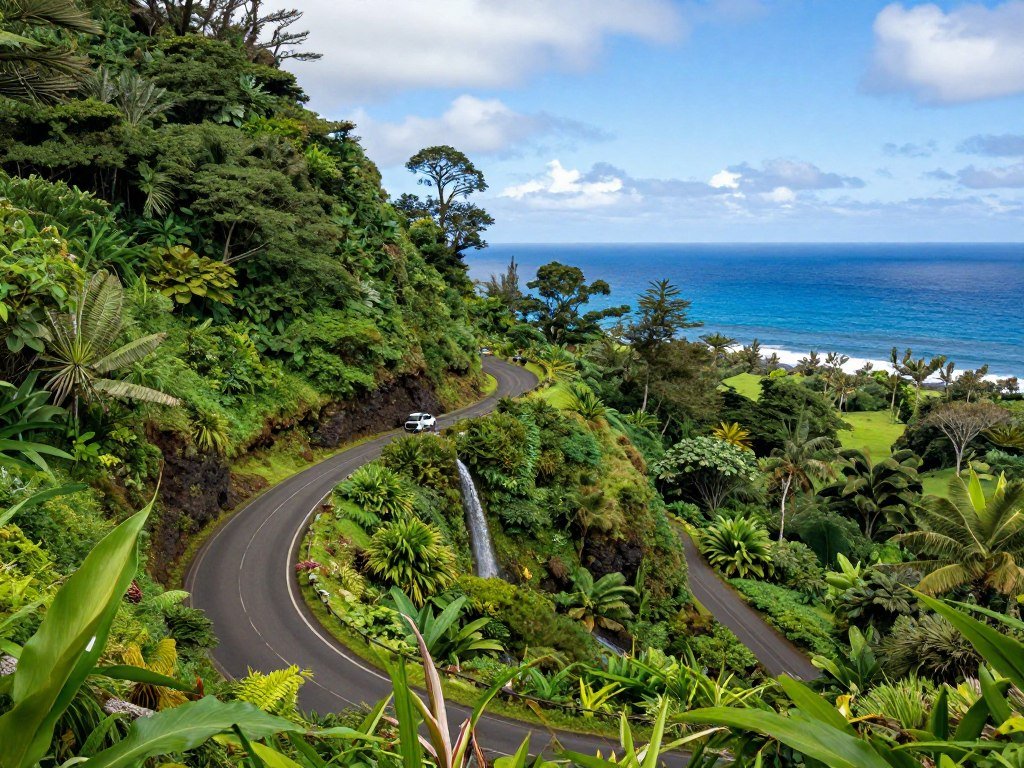
Key Highlights:
- Road to Hana scenic drive
- Haleakalā National Park sunrise
- Whale watching (December-April)
- Kaanapali and Wailea beaches
- Lahaina historic town
- Molokini Crater snorkeling
- Iao Valley State Park
Ideal For:
- Honeymooners and couples
- Beach lovers and snorkelers
- Scenic drive enthusiasts
- Luxury travelers
- Whale watchers (in season)
- Families seeking resort amenities
Pros
- Perfect balance of development and natural beauty
- Excellent resort options and beautiful beaches
- Diverse landscapes from rainforests to volcanic craters
- Best island for whale watching in winter
- Great dining scene, especially in resort areas
Cons
- Can be expensive, especially luxury resorts
- Popular attractions like Road to Hana can get crowded
- Rental cars are essential and can be pricey
- Advance reservations needed for Haleakalā sunrise
Maui strikes the perfect balance between development and natural beauty. It’s renowned for its stunning beaches, luxurious resorts, and diverse landscapes ranging from lush rainforests to volcanic craters. The island offers enough amenities to keep you comfortable while still providing plenty of opportunities to connect with nature. If you’re seeking romance, relaxation, and adventure in equal measure, Maui might be your perfect match.
Experience the magic of Maui
Find flights to Kahului Airport (OGG) and begin your Valley Isle adventure.
Kauai: “The Garden Isle”
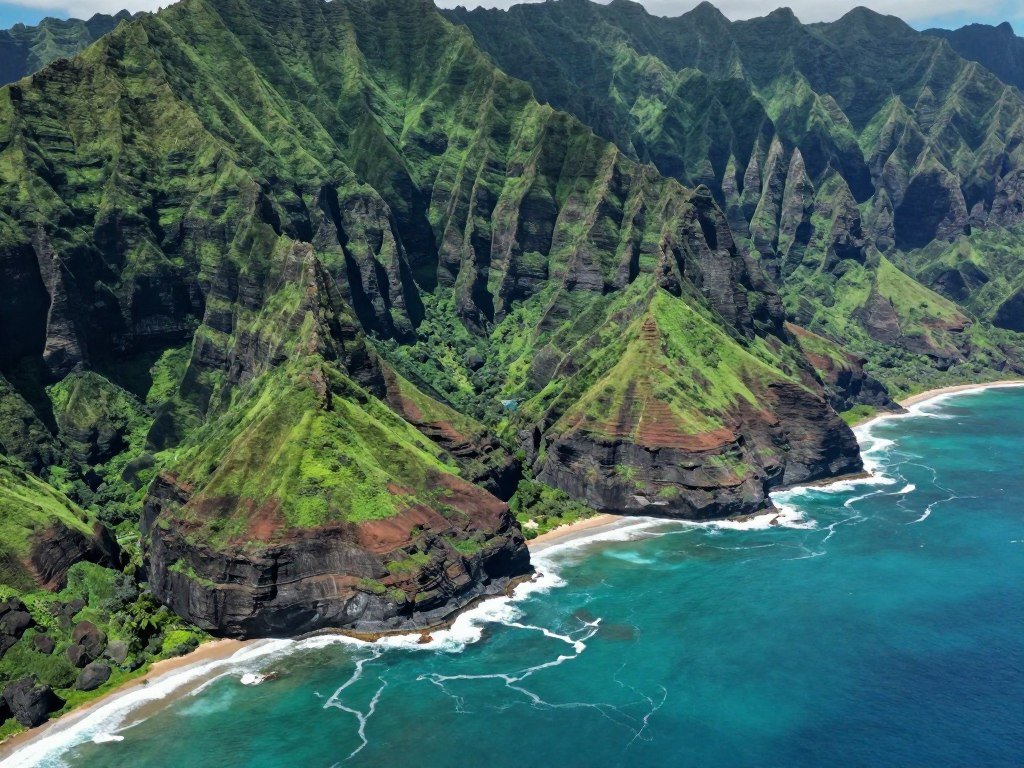
Key Highlights:
- Na Pali Coast (by boat, helicopter, or hike)
- Waimea Canyon (the “Grand Canyon of the Pacific”)
- Poipu Beach and Hanalei Bay
- Wailua River kayaking
- Kalalau Trail hiking
- Tunnels Beach snorkeling
- Lush botanical gardens
Ideal For:
- Nature lovers and outdoor enthusiasts
- Hikers and adventure seekers
- Photographers
- Those seeking a more relaxed pace
- Travelers looking for untouched natural beauty
- Bird watchers and wildlife enthusiasts
Pros
- Most lush and naturally beautiful Hawaiian island
- Less developed and less crowded than Oahu or Maui
- Spectacular hiking trails and outdoor activities
- Dramatic and diverse landscapes
- More laid-back, authentic Hawaiian atmosphere
Cons
- More rainfall than other islands (creates the lushness)
- Fewer dining and shopping options
- Limited nightlife
- Some areas only accessible by boat or helicopter
- Advance permits needed for popular hikes
Kauai is Hawaii’s oldest and most lush island, earning its nickname “The Garden Isle.” It’s characterized by dramatic landscapes, including the breathtaking Na Pali Coast and Waimea Canyon. With fewer resorts and a more laid-back atmosphere, Kauai appeals to travelers seeking natural beauty and outdoor adventures over nightlife and shopping. If you’re drawn to dramatic scenery, hiking, and a slower pace, Kauai will captivate your heart.
Discover Kauai’s natural wonders
Find flights to Lihue Airport (LIH) and start planning your Garden Isle getaway.
Hawaii (Big Island): “The Island of Adventure”
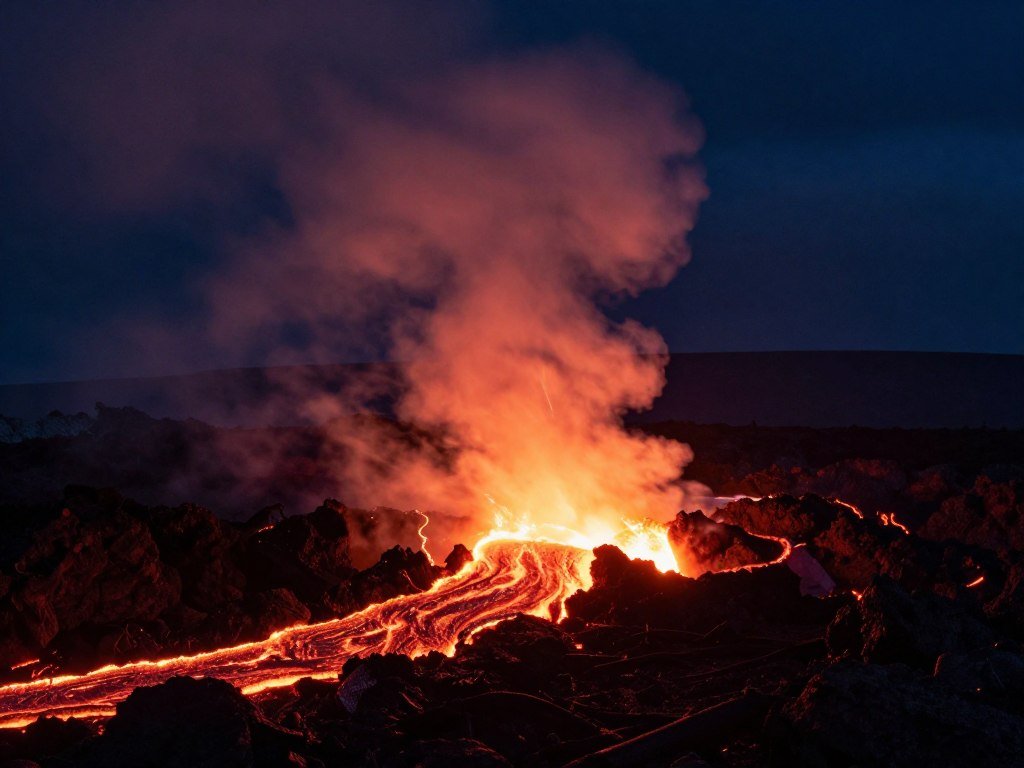
Key Highlights:
- Hawaii Volcanoes National Park
- Mauna Kea stargazing
- Black, green, and white sand beaches
- Manta ray night snorkeling/diving
- Waipio Valley and waterfalls
- Kona coffee farms
- Akaka Falls State Park
Ideal For:
- Volcano enthusiasts
- Adventure seekers
- Astronomy buffs
- Travelers who appreciate diverse landscapes
- Coffee lovers
- Those wanting to experience multiple climate zones
Pros
- Most diverse landscapes of any Hawaiian island
- Only place to see active volcanoes
- Less crowded than Oahu and Maui
- Unique experiences like manta ray night snorkeling
- More affordable accommodations in some areas
Cons
- Requires more driving due to its size
- Volcanic activity can be unpredictable
- Fewer white sand beaches than other islands
- Kona side can be very dry and rocky
- May require splitting stay between Kona and Hilo sides
The Big Island is Hawaii’s youngest and largest island, nearly twice the size of all other Hawaiian islands combined. It’s a land of extremes, where you can experience 8 of the world’s 13 climate zones in a single day. From snow-capped mountains to black sand beaches, from lush rainforests to active volcanoes, the Big Island offers unparalleled diversity. If you’re fascinated by volcanoes, unique landscapes, and scientific wonders, the Big Island will amaze you.
Explore the Big Island’s diverse wonders
Find flights to Kona International Airport (KOA) or Hilo International Airport (ITO) to begin your Big Island adventure.
Lesser-Visited Islands: Molokai and Lanai
While the four main islands attract the majority of visitors, Hawaii’s two smaller accessible islands offer unique experiences for travelers seeking something off the beaten path:
Molokai: “The Friendly Isle”
With only about 7,000 residents and very limited tourism infrastructure, Molokai offers the most authentic Hawaiian experience. It’s home to the world’s highest sea cliffs, the historic Kalaupapa Peninsula (former leprosy colony), and a strong Native Hawaiian presence. Visit if you want to experience old Hawaii, without resorts, traffic lights, or buildings taller than a coconut tree.
Lanai: “The Pineapple Isle”
Once home to the world’s largest pineapple plantation, Lanai is now a luxury destination with two Four Seasons resorts. With only 3,000 residents, this small island offers exclusive experiences, pristine beaches, and rugged landscapes accessible by 4WD. It’s perfect for those seeking privacy and luxury, or as a day trip from Maui.
Which Island Should You Choose?
Still unsure which island is right for you? Consider these quick recommendations:
- First-time visitors: Oahu or Maui
- Honeymooners: Maui or Kauai
- Adventure seekers: Big Island or Kauai
- Families with young children: Oahu or Maui
- Luxury travelers: Maui or Lanai
- Off-the-beaten-path explorers: Molokai or Big Island
Remember, there’s no wrong choice – each island offers its own slice of paradise!
7-Day Oahu Itinerary: The Perfect First-Time Hawaii Trip
Oahu offers the perfect introduction to Hawaii, combining beautiful beaches, cultural experiences, historical sites, and natural wonders. This 7-day itinerary balances relaxation with exploration, giving you a comprehensive taste of what makes Oahu special.
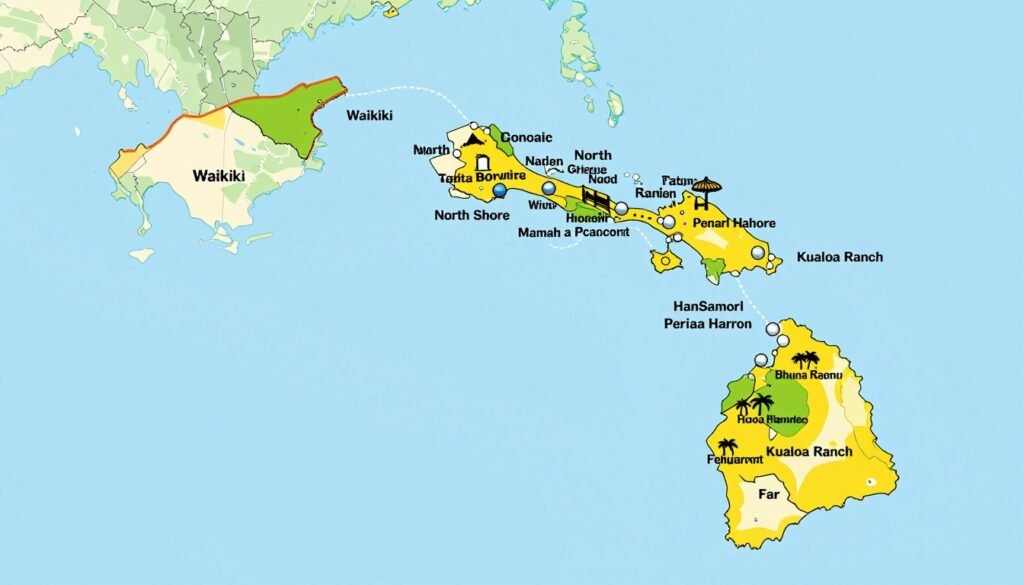
Oahu map highlighting the key locations in our 7-day itinerary
Day 1: Arrival and Waikiki Orientation
Morning/Afternoon:
- Arrive at Honolulu International Airport
- Check into your Waikiki accommodation
- Take a stroll along Waikiki Beach
- Grab lunch at Duke’s Waikiki or the food court at International Market Place
Evening:
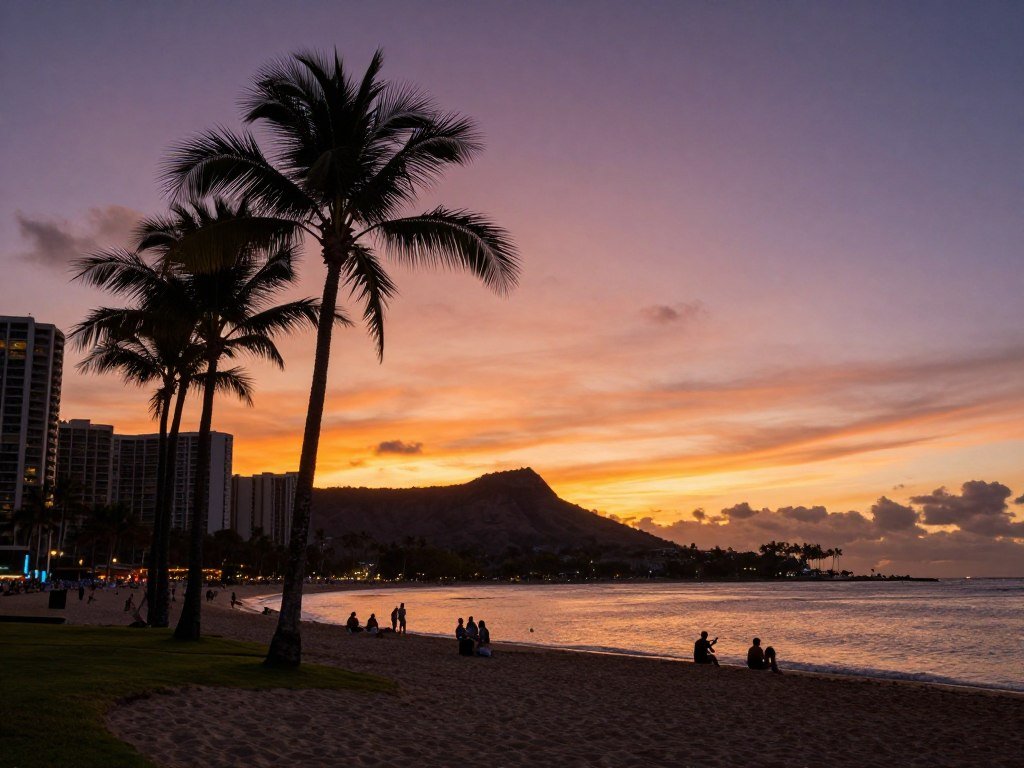
- Watch the sunset from Waikiki Beach
- Attend the free hula show at Kuhio Beach Park (Tuesday, Thursday, and Saturday at 6:30 pm)
- Enjoy dinner at Marukame Udon or another local favorite
Where to Stay in Waikiki
Waikiki offers accommodations for every budget, from luxury beachfront resorts to affordable hotels a few blocks from the beach:
- Luxury: The Royal Hawaiian, Moana Surfrider, or Halekulani
- Mid-range: Outrigger Waikiki Beach Resort or Hilton Garden Inn
- Budget: Waikiki Beachside Hostel or Aqua Oasis
Day 2: Pearl Harbor and Downtown Honolulu
Morning:
- Visit Pearl Harbor early (reserve tickets in advance)
- Tour the USS Arizona Memorial
- Explore the Battleship Missouri Memorial
Afternoon/Evening:
- Visit Iolani Palace, the only royal palace on US soil
- See the King Kamehameha Statue
- Explore Chinatown’s art galleries and eateries
- Dinner at Maunakea Marketplace or MW Restaurant
Pearl Harbor Tip
Tickets for the USS Arizona Memorial are free but limited. Reserve yours up to 60 days in advance on the National Park Service website. If tickets are sold out, a limited number are released each morning at 7:00 AM Hawaii time for same-day visits.
Day 3: Diamond Head and Eastern Oahu
Morning:
- Hike Diamond Head Crater (1-2 hours round trip)
- Visit KCC Farmers Market if it’s Saturday
- Snorkel at Hanauma Bay Nature Preserve (closed Mondays and Tuesdays; reservations required)
Afternoon/Evening:
- See Halona Blowhole and Eternity Beach
- Visit Makapuu Lighthouse Trail
- Stop at the scenic Lanikai Pillbox Hike viewpoint
- Dinner in Kailua at Moke’s Bread & Breakfast or Kalapawai Café
Hanauma Bay Reservation Tip
Hanauma Bay requires advance reservations, which open two days before your visit at 7:00 AM Hawaii time. Tickets sell out within minutes, so be ready to book exactly when they become available on the official reservation site.
Day 4: North Shore Adventure
Morning:
- Drive to the North Shore (about 1 hour from Waikiki)
- Visit Waimea Valley and waterfall
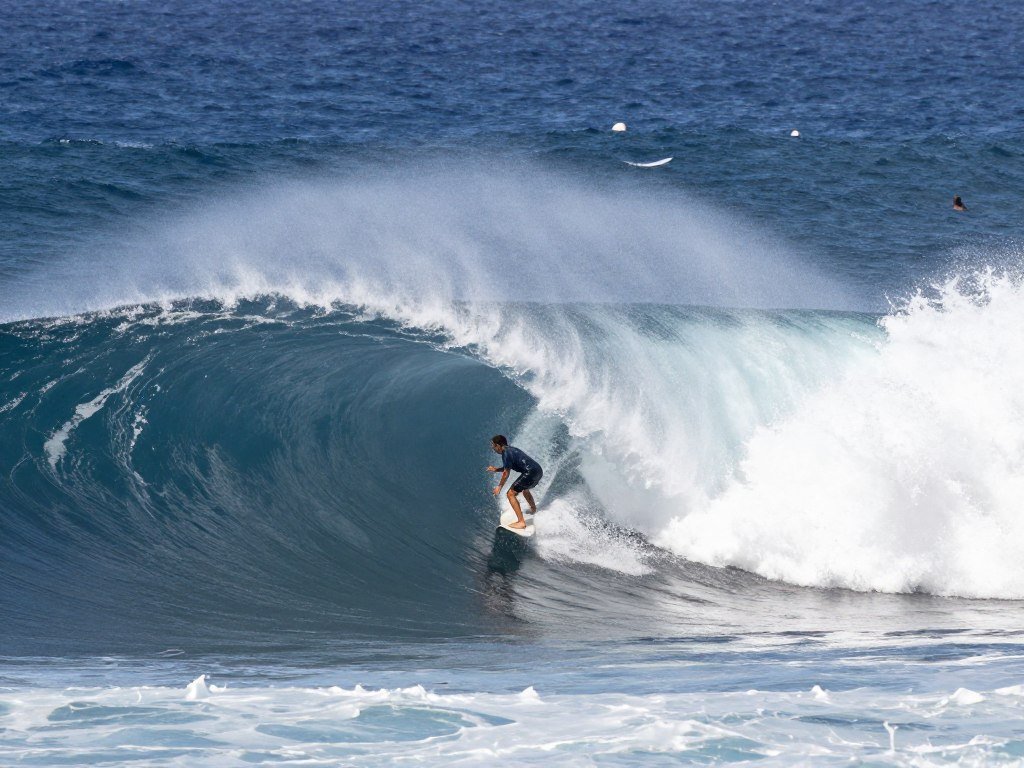
- Watch surfers at Banzai Pipeline (winter) or swim at Waimea Bay (summer)
Afternoon/Evening:
- Explore the surf town of Haleiwa
- Try famous shave ice at Matsumoto’s
- Visit Laniakea Beach to spot sea turtles
- Enjoy a food truck dinner at Shark’s Cove
- Watch the sunset at Sunset Beach
North Shore Seasonal Differences
Winter (November-April): Massive waves up to 30 feet make this a world-class surfing destination. Great for watching pro surfers, but swimming is often dangerous.
Summer (May-October): Calm, clear waters perfect for swimming and snorkeling at beaches like Shark’s Cove and Three Tables.
Day 5: Kualoa Ranch and Windward Coast
Morning:
- Take a tour at Kualoa Ranch (book in advance)
- Choose from movie sites tour, ATV adventure, zipline, or horseback riding
Afternoon/Evening:
- Visit Byodo-In Temple in the Valley of the Temples
- Relax at Kailua Beach or Lanikai Beach
- Optional: Kayak to the Mokulua Islands
- Dinner at Buzz’s Steakhouse or Kalapawai Market
Don’t Miss Kualoa Ranch
Kualoa Ranch tours often sell out weeks in advance, especially during peak season. Secure your spot for this unforgettable experience where Jurassic Park, Lost, and 50 First Dates were filmed.
Day 6: Cultural Immersion
Morning/Afternoon:
- Visit the Polynesian Cultural Center (plan for a full day)
- Explore the six Pacific Island villages
- Watch the canoe pageant
- Participate in hands-on cultural activities
Evening:
- Enjoy the Ali’i Luau dinner (optional add-on)
- Watch the “Ha: Breath of Life” show
- Return to your accommodation
Polynesian Cultural Center Tips
The PCC is located on the North Shore, about an hour’s drive from Waikiki. Consider these options:
- Book a package that includes transportation from Waikiki
- Stay overnight on the North Shore to avoid the long drive back
- Purchase tickets in advance for the best prices and availability
Day 7: Relaxation and Departure
Morning:
- Relax on Waikiki Beach
- Try a surfing lesson
- Shop for souvenirs at Ala Moana Center or International Market Place
Afternoon/Evening:
- Enjoy a farewell meal at a favorite restaurant
- Depart from Honolulu International Airport
- Or, if your flight is the next day, enjoy a sunset dinner cruise
Oahu Itinerary Modifications
For families with young children: Add a visit to the Honolulu Zoo, Waikiki Aquarium, or a catamaran sail.
For adventure seekers: Add hiking Koko Head Crater, Manoa Falls Trail, or a skydiving experience.
For history buffs: Add the Bishop Museum, Hawaii’s State Art Museum, or the US Army Museum.
7-Day Maui Itinerary: Paradise for Beach Lovers and Adventurers
Maui offers the perfect blend of relaxation and adventure, with stunning beaches, the iconic Road to Hana, and the majestic Haleakalā volcano. This 7-day itinerary helps you experience the best of the Valley Isle while allowing time to unwind and enjoy the island’s natural beauty.
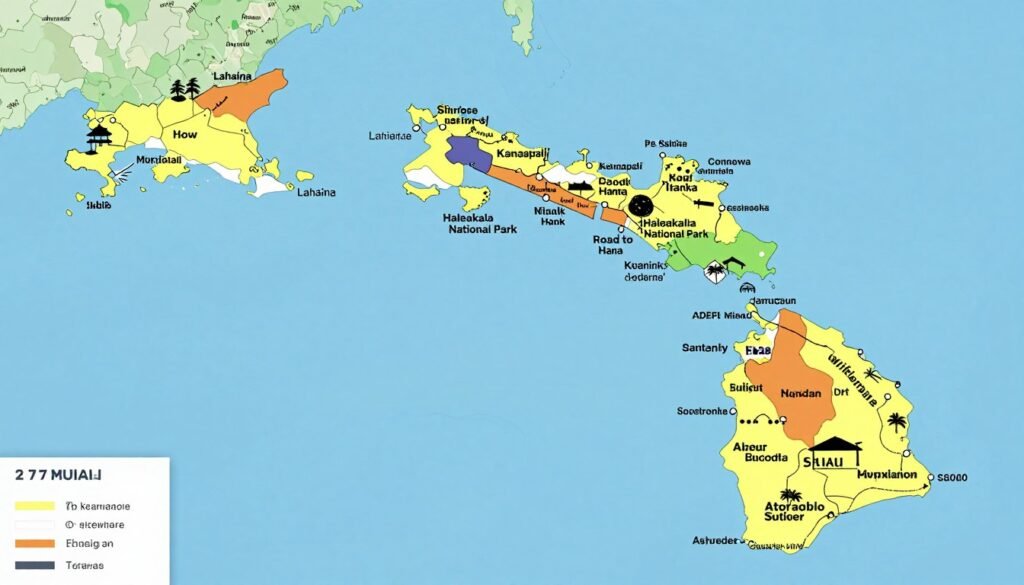
Maui map highlighting the key locations in our 7-day itinerary
Day 1: Arrival and West Maui Exploration
Morning/Afternoon:
- Arrive at Kahului Airport
- Pick up rental car (essential for Maui)
- Check into your West Maui accommodation
- Explore Lahaina Historic District
Evening:
- Stroll along Front Street
- Visit the famous Banyan Tree
- Enjoy dinner at Lahaina Grill or Fleetwood’s on Front St.
- Watch the sunset from your hotel or a nearby beach
Where to Stay in Maui
Maui has two main resort areas, each with its own character:
- West Maui (Lahaina/Kaanapali/Kapalua): More historic, closer to Lahaina town, great beaches
- South Maui (Kihei/Wailea): Sunnier, drier climate, luxury resorts in Wailea
For this itinerary, we recommend starting in West Maui and spending the last few nights in South Maui to minimize driving.
Day 2: Haleakalā Sunrise and Upcountry

Early Morning:
- Wake up very early (around 3:00 AM)
- Drive to Haleakalā National Park (2 hours from West Maui)
- Watch the spectacular sunrise from the summit (10,023 feet)
Late Morning/Afternoon:
- Explore the summit area trails
- Visit the Visitor Center
- Drive down to Upcountry Maui
- Tour a lavender farm or goat dairy
- Visit MauiWine or Maui Brewing Company
Haleakalā Sunrise Reservation
A sunrise reservation is required and can be made up to 60 days in advance on Recreation.gov. Reservations open at 7:00 AM HST and cost $1 per vehicle. A limited number of tickets are also released two days before each date.
Dress warmly! Temperatures at the summit can be near freezing before sunrise, even in summer.
Day 3: Beach Day and Snorkeling
Morning:
- Sleep in after your early Haleakalā morning
- Breakfast at your hotel or a local café
- Relax at Kaanapali Beach
- Snorkel at Black Rock
Afternoon/Evening:
- Take a snorkeling trip to Molokini Crater (book in advance)
- Look for turtles at Turtle Town
- Enjoy happy hour at Hula Grill or Leilani’s
- Watch the nightly cliff diving ceremony at Black Rock
Experience Molokini Crater
Molokini Crater offers some of Hawaii’s best snorkeling with visibility up to 150 feet. Book a morning tour for the calmest conditions and best visibility.
Day 4: Road to Hana Adventure

Early Morning:
- Start early (7:00 AM) to beat the crowds
- Pack snacks, water, swimwear, and towels
- Download the Road to Hana mobile app or map
- Drive the scenic Hana Highway
Key Stops:
- Twin Falls (Mile Marker 2)
- Garden of Eden Arboretum (MM 10)
- Keanae Peninsula (MM 16)
- Halfway to Hana stand for banana bread
- Wailua Falls (MM 21)
- Waianapanapa State Park black sand beach (MM 32)
- Hamoa Beach
- Seven Sacred Pools at Oheo Gulch
Road to Hana Tips
- The full journey takes 10-12 hours round trip with stops
- Drive cautiously on the narrow, winding road (620 curves, 59 bridges)
- Waianapanapa State Park requires advance reservations (book here)
- Consider staying overnight in Hana to split the journey and avoid crowds
- If returning the same day, leave Hana by 3:30 PM to avoid driving in the dark
Day 5: South Maui Exploration
Morning:
- Check out of your West Maui accommodation
- Drive to South Maui (Wailea/Kihei area)
- Check into your South Maui accommodation
- Relax at Wailea Beach or Makena Beach
Afternoon/Evening:
- Snorkel at Ahihi-Kinau Natural Reserve
- Visit Makena Landing to spot turtles
- Explore the shops at Wailea
- Enjoy dinner at Monkeypod Kitchen or Mama’s Fish House (reservation required)
Mama’s Fish House Reservation
If you want to dine at the famous Mama’s Fish House, make reservations months in advance. This iconic restaurant is often booked 3-6 months ahead, especially for dinner. It’s expensive but considered by many to be the best restaurant in Hawaii.
Day 6: Ocean Adventure Day
Morning/Afternoon:
- Choose an ocean activity:
- Whale watching (December-April)
- Snorkeling tour
- Surfing lesson
- Stand-up paddleboarding
- Kayaking
Evening:
- Attend a traditional Hawaiian luau
- Old Lahaina Luau (most authentic)
- Feast at Lele (more upscale)
- Grand Wailea Luau (convenient if staying in Wailea)
Don’t Miss Maui’s Incredible Marine Life
If visiting between December and April, whale watching is a must-do activity. Maui has some of the best humpback whale viewing in the world.
Day 7: Iao Valley and Departure
Morning:
- Visit Iao Valley State Park
- See the iconic Iao Needle
- Take a short hike on the park trails
- Visit Maui Tropical Plantation
Afternoon:
- Last-minute shopping at Queen Kaahumanu Center
- Return rental car
- Depart from Kahului Airport
Iao Valley Reservation
Iao Valley State Park now requires advance reservations for non-Hawaii residents. Reservations can be made up to 30 days in advance on the Hawaii State Parks website.
Maui Itinerary Modifications
For families: Add a visit to the Maui Ocean Center or a submarine tour.
For adventure seekers: Add ziplining, paragliding, or a helicopter tour.
For relaxation: Add a spa day or replace an activity day with beach time.
Essential Hawaii Trip Planning Tips
Now that you have an idea of which island(s) you want to visit and some sample itineraries to work with, here are some practical tips to help you plan your perfect Hawaii vacation.
Best Time to Visit Hawaii
| Season | Months | Weather | Crowds | Prices | Special Notes |
| Winter | December-February | 70-80°F, more rain | High (holiday season) | Highest | Whale watching season, big surf on north shores |
| Spring | March-May | 75-85°F, moderate rain | Moderate | Lower (except spring break) | End of whale season, Easter/spring break crowds |
| Summer | June-August | 80-90°F, drier | High | High | Best for snorkeling, family travel season |
| Fall | September-November | 75-85°F, variable rain | Lowest | Lowest (except holidays) | Best deals, start of whale season in November |
Our Recommendation
The shoulder seasons of April-May and September-October offer the best combination of good weather, lower crowds, and better prices. If whale watching is a priority, visit between January and March for peak activity.
Inter-Island Travel
By Air:
Flying is the primary way to travel between islands. Hawaiian Airlines and Southwest Airlines offer the most inter-island flights. Expect to pay $75-150 one-way, with flight times of 20-50 minutes. Book in advance for the best rates.
By Ferry:
Limited ferry service exists only between Maui and Lanai (45 minutes) and Maui and Molokai (90 minutes). There are no ferries between the four main islands.
Island Hopping Tips
- Allow at least 4 days per island to minimize travel stress
- Factor in airport time (arrive 90 minutes before inter-island flights)
- Consider open-jaw flights (fly into one island, out of another)
- Book rental cars for each island in advance
Budgeting for Hawaii
| Expense Category | Budget | Mid-Range | Luxury |
| Accommodation (per night) | $150-250 | $250-400 | $400-1,000+ |
| Meals (per person/day) | $30-50 | $50-100 | $100-200+ |
| Car Rental (per day) | $50-80 | $80-120 | $120-300+ |
| Activities (per person) | $0-75 | $75-150 | $150-400+ |
Money-Saving Tips:
- Visit during shoulder seasons (April-May, September-October)
- Book accommodations with kitchen facilities
- Shop at local grocery stores and farmers markets
- Mix paid activities with free beaches and hikes
- Look for happy hour specials at restaurants
- Use reward points for flights and hotels
Worth the Splurge:
- Helicopter tour (especially on Kauai)
- Authentic luau experience
- Snorkeling or whale watching tour
- At least one oceanfront meal
- Cultural experiences like Polynesian Cultural Center
Cultural Respect and Travel Etiquette

Cultural Respect:
- Learn basic Hawaiian words (Aloha, Mahalo)
- Respect sacred sites and heed posted signs
- Ask permission before taking photos of people
- Remove shoes when entering someone’s home
- Don’t take lava rocks or sand (it’s considered bad luck and is illegal)
- Respect cultural practices and ceremonies
Environmental Responsibility:
- Use reef-safe sunscreen (Hawaii has banned harmful chemicals)
- Stay on marked trails when hiking
- Never touch marine life, including turtles and coral
- Maintain a safe distance from wildlife
- Pack out all trash from beaches and trails
- Conserve water, especially during drought conditions
Wildlife Viewing Guidelines
Hawaii has strict laws protecting its wildlife. Maintain these minimum distances:
- Sea turtles: 10 feet
- Hawaiian monk seals: 50 feet
- Dolphins and whales: 50 yards
Never touch, chase, feed, or disturb wildlife. Violations can result in hefty fines.
Essential Reservations to Make in Advance
| Reservation | Island | How Far in Advance | Booking Link |
| Haleakalā Sunrise | Maui | 60 days | Recreation.gov |
| Pearl Harbor/USS Arizona | Oahu | 60 days | Recreation.gov |
| Hanauma Bay | Oahu | 2 days | Official Site |
| Waianapanapa State Park | Maui | 30 days | GoWaianapanapa |
| Haena State Park/Kalalau Trail | Kauai | 30 days | GoHaena |
| Diamond Head State Monument | Oahu | 14 days | GoStateParks |
Don’t Miss Out on Must-Do Activities
Many of Hawaii’s most popular attractions now require advance reservations. Mark your calendar and set reminders for when these reservations open to secure your spot.
Packing Essentials for Hawaii
Clothing:
- Lightweight, breathable clothing
- Swimwear (at least 2 sets)
- Beach cover-up or sarong
- Light rain jacket or poncho
- Light sweater or jacket (for higher elevations)
- Comfortable walking shoes
- Hiking shoes (if planning serious hikes)
- Water shoes (for rocky beaches)
Beach & Outdoor Gear:
- Reef-safe sunscreen (SPF 30+)
- Sunglasses with UV protection
- Wide-brimmed hat
- Reusable water bottle
- Day pack for excursions
- Snorkel gear (or rent locally)
- Underwater camera or waterproof case
- Insect repellent (for hikes and evenings)
Reef-Safe Sunscreen
Hawaii has banned sunscreens containing oxybenzone and octinoxate, which harm coral reefs. Look for mineral-based sunscreens with zinc oxide or titanium dioxide as the active ingredient. Popular reef-safe brands include Raw Elements, Kokua Sun Care, and Badger.
Ready for Your Hawaiian Adventure?
Hawaii’s islands offer a remarkable diversity of experiences, from the cosmopolitan energy of Waikiki to the dramatic landscapes of Kauai’s Na Pali Coast, from Maui’s stunning Road to Hana to the Big Island’s active volcanoes. By choosing the right island for your travel style and following a well-planned itinerary, you can create a Hawaiian vacation that perfectly balances adventure, relaxation, and cultural experiences.
Remember that while planning is important, leave room for spontaneity and serendipity – sometimes the unplanned moments become the most cherished memories of your trip. Embrace the aloha spirit, respect the islands’ natural beauty and cultural heritage, and prepare for an unforgettable journey in paradise.

Start Planning Your Dream Hawaii Vacation Today
With your island choice made and itinerary inspiration in hand, it’s time to turn your Hawaii dreams into reality. Download our free Hawaii Trip Planning Checklist to help you organize all the details.
Frequently Asked Questions About Hawaii Trip Planning
How many days do I need for a good Hawaii vacation?
For a single island, we recommend at least 5-7 days to experience the highlights without feeling rushed. If you want to visit multiple islands, plan for at least 4 days per island, plus travel time between them. A two-week trip is ideal for visiting two or three islands.
Do I need a rental car in Hawaii?
Yes, a rental car is highly recommended on all islands except Oahu, where public transportation is more developed. Even on Oahu, a car gives you the freedom to explore beyond Waikiki. Book your rental car well in advance, especially during peak seasons, as availability can be limited and prices increase closer to arrival date.
What’s the best island for first-time visitors to Hawaii?
Oahu and Maui are generally considered the best islands for first-time visitors. Oahu offers a mix of city amenities, historical sites, and natural beauty, while Maui provides a more relaxed atmosphere with excellent beaches and diverse activities. Both islands have well-developed tourism infrastructure that makes navigation easier for newcomers.
When is whale watching season in Hawaii?
Humpback whale season in Hawaii runs from November to May, with peak viewing opportunities from January through March. Maui is considered the best island for whale watching, particularly the waters between Maui, Lanai, and Molokai. However, whales can be spotted from all the main Hawaiian islands during season.
Is Hawaii expensive to visit?
Yes, Hawaii is one of the more expensive U.S. destinations due to its remote location and popularity. However, there are ways to manage costs, such as visiting during shoulder seasons, booking accommodations with kitchen facilities, mixing paid activities with free natural attractions, and looking for package deals. Budget travelers should expect to spend at least $200 per person per day, including accommodations, food, transportation, and activities.