
Tropical Islands for Travelers Who Hate Crowds (2026 Hidden Gems)
This article may contain affiliate links. If you click on these links and make a purchase, we may receive a small commission at no extra cost to you. This helps support our website and allows us to continue to produce content like this. Thank you for your support!
Picture yourself on a pristine beach with nothing but the gentle lapping of waves and rustling palm trees to break the silence. No beach vendors, no photo-bombing tourists, no competition for the perfect sunset spot. For travelers who cherish solitude and authentic experiences, finding truly uncrowded tropical islands becomes increasingly challenging each year. Yet these havens still exist – natural sanctuaries where you can experience paradise as it was meant to be.
We’ve scoured the globe to bring you seven extraordinary tropical islands that remain blissfully under the radar for 2026. These hidden gems offer the perfect balance of natural beauty, cultural richness, and just enough infrastructure to ensure a comfortable stay without the drawbacks of mass tourism. Whether you’re seeking a luxury escape or a more adventurous getaway, these destinations promise the increasingly rare commodity of space to breathe, explore, and truly unwind.
1. Côn Đảo, Vietnam: Asia’s Pristine Island Sanctuary
Côn Đảo’s dramatic coastline combines soaring granite cliffs with secluded beaches
While Vietnam’s Phú Quốc has emerged as a mini-Phuket, savvy travelers are setting their sights on Côn Đảo, an archipelago off Vietnam’s southeastern coast that remains wonderfully uncrowded. Just an hour’s flight from Ho Chi Minh City transports you to Côn Sơn, the largest of the 15-island chain and the only one inhabited.
What makes Côn Đảo special is its remarkable combination of natural beauty and historical significance. Soaring granite cliffs border deserted beaches with crystal-blue waters – imagine a tropical Amalfi Coast without the crowds. The island’s remote location and status as a national park have preserved both its marine ecosystems and its haunting history as a former French and American prison colony.
Why It Remains Uncrowded
Côn Đảo’s limited accessibility and its distance from Vietnam’s main tourist trail have kept visitor numbers low. With just a handful of daily flights from the mainland and no direct international connections, the islands remain off the itinerary for most package tourists. The Vietnamese government has also implemented strict development regulations to preserve the archipelago’s natural beauty.
Must-Experience Activities
- Rent a motorbike to explore the coastal roads and hidden beaches
- Visit Dam Tre Bay lagoon for spectacular swimming in crystal clear waters
- Hike to the 19th-century hilltop lighthouse for panoramic island views
- Snorkel or dive among vibrant coral reefs with exceptional visibility
- Witness endangered sea turtles nesting (May to October)
Where to Stay
Luxury: Six Senses Côn Đảo
This eco-conscious luxury resort offers 50 private pool villas set along a mile of golden sand. The resort blends seamlessly into the natural environment and offers exceptional dining experiences featuring locally sourced ingredients.
Mid-Range: Poulo Condor Boutique Resort
This charming property offers colonial-inspired architecture with modern amenities. Located near Vong Beach, it features spacious rooms, a beautiful pool, and a restaurant serving excellent Vietnamese cuisine.
Getting There
Vietnam Airlines and VASCO operate daily flights from Ho Chi Minh City to Côn Sơn Island (approximately 1 hour). For the adventurous, there’s also a ferry service from Vung Tau, though the journey can be rough during certain seasons.
Best Time to Visit
November to February offers the most pleasant weather with clear skies and calm seas. March to June is also good but slightly warmer. Avoid July to October when heavy rains and potential typhoons can disrupt travel plans.
2. Providencia, Colombia: Caribbean Perfection Without the Crowds
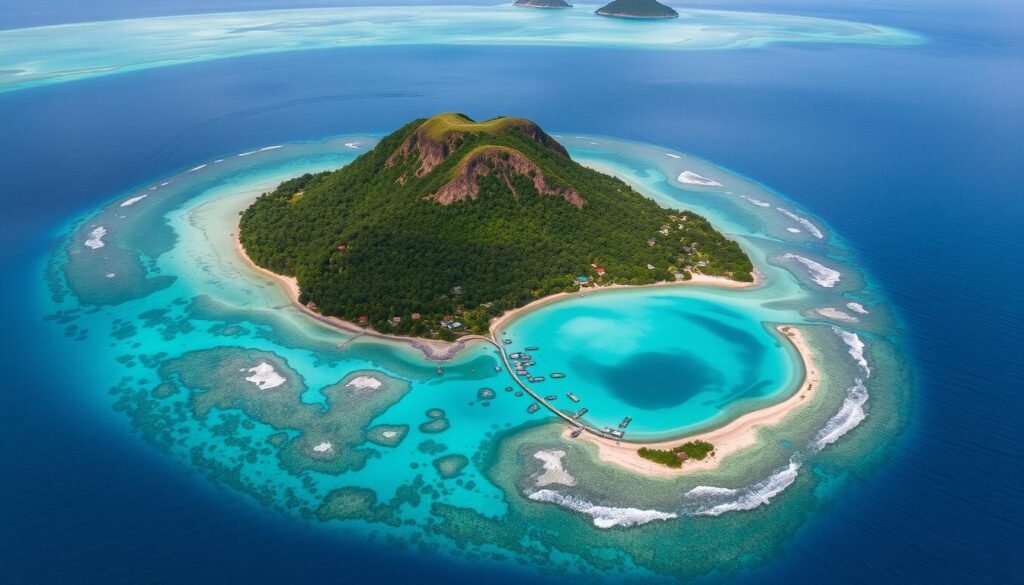
Providencia’s vibrant coral reefs and mountainous landscape create a Caribbean paradise
Situated between Costa Rica and Jamaica, Providencia Island (Isla de Providencia) remains one of the Caribbean’s best-kept secrets. This Colombian territory lies 482 miles northwest of the mainland and 50 miles north of the more visited San Andrés Island. With a maximum elevation of 1,181 feet, this mountainous island combines breathtaking Caribbean vistas with rich pirate history.
Providencia’s remoteness has preserved both its natural environment and its unique Raizal culture – an English-speaking Afro-Caribbean community with its own language (Creole), music, and traditions. The island is surrounded by the world’s third-largest barrier reef, offering spectacular diving and snorkeling in waters teeming with marine life.
Why It Remains Uncrowded
The island’s limited accessibility is its greatest protection against overtourism. With no direct international flights and a requirement to connect through San Andrés, casual tourists often skip Providencia. The Colombian government has also implemented strict development regulations, limiting hotels to a maximum of 30 rooms and preventing large resorts from establishing a presence.
Must-Experience Activities
- Snorkel or dive in the UNESCO Seaflower Biosphere Reserve
- Hike to “The Peak” for 360-degree views of the Caribbean Sea
- Cross the wooden footbridge to Santa Catalina Island to explore pirate Henry Morgan’s former hideout
- Experience local Raizal culture through music, food, and community interactions
- Relax on Southwest Bay Beach, with its perfect white sand and crystal waters

Providencia’s colorful architecture reflects its unique Raizal culture
Where to Stay
Luxury: Deep Blue Hotel
Perched on a hillside with spectacular views, this boutique hotel offers spacious rooms with private balconies, an infinity pool overlooking the sea, and excellent seafood at its restaurant. The property emphasizes sustainability and local cultural experiences.
Mid-Range: Posada Enilda
This family-run guesthouse offers authentic island hospitality with comfortable rooms, home-cooked meals featuring fresh seafood, and a perfect location near Southwest Bay Beach. The friendly owners provide invaluable local insights.
Getting There
Fly to San Andrés Island (international airport with connections from Bogotá, Panama City, and Miami), then take a 20-minute flight to Providencia on Satena Airlines or a 3-4 hour catamaran journey. The limited transportation options help maintain the island’s uncrowded appeal.
Best Time to Visit
February to April offers the driest weather and calmest seas. The island experiences a rainy season from May to November, with potential hurricane risk from August to October. December to January brings pleasant temperatures but occasional strong winds.
3. Dominica: The Caribbean’s “Nature Island” Without the Masses
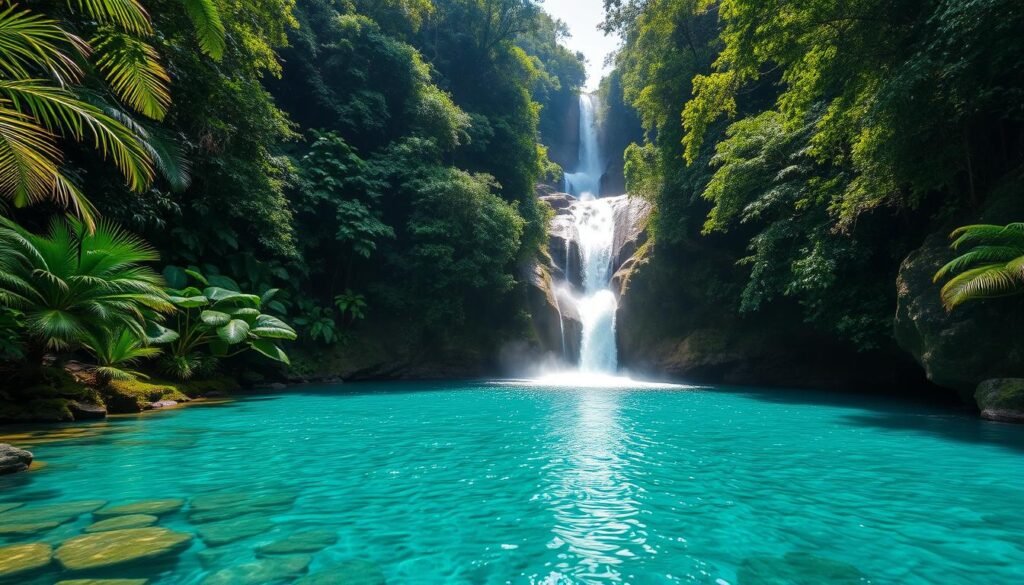
Dominica’s Emerald Pool is just one of many natural wonders on this lush island
Often confused with the Dominican Republic, Dominica (pronounced Dom-in-EEK-a) stands apart as the Caribbean’s true nature sanctuary. Unlike its sand-focused neighbors, this volcanic island is 65% covered in tropical rainforest with over 300 miles of hiking trails. Nicknamed “The Nature Island,” Dominica offers a rare combination of dramatic mountains, pristine rivers, and geothermal wonders.
What makes Dominica special is its commitment to conservation and sustainable tourism. The island has rejected mass tourism development in favor of eco-friendly initiatives and small-scale accommodations that blend with the natural environment. For travelers seeking authentic experiences, Dominica offers immersion in both pristine nature and vibrant local culture, including the indigenous Kalinago people.
Why It Remains Uncrowded
Dominica’s lack of white-sand beaches and large international airport has kept it off the radar for typical Caribbean vacationers. The island’s mountainous terrain limits development, while its focus on adventure and nature tourism attracts a specific type of traveler rather than mass-market tourists. The government’s deliberate strategy of targeting high-value, low-impact tourism has preserved the island’s natural character.
Must-Experience Activities
- Hike to Boiling Lake, the world’s second-largest hot spring
- Snorkel at Champagne Reef, where volcanic activity creates bubbling underwater springs
- Visit Trafalgar Falls, twin waterfalls in a lush rainforest setting
- Explore the Kalinago Territory to learn about indigenous Caribbean culture
- Whale watch in the deep waters off Dominica’s coast (year-round sightings)

Secret Bay’s sustainable luxury villas offer privacy and stunning ocean views
Where to Stay
Luxury: Secret Bay
This award-winning eco-luxury resort features just six sustainable treehouse-style villas, each with a private pool and dedicated villa host. The property’s farm-to-table restaurant, Zing Zing, serves innovative cuisine using locally sourced ingredients.
Mid-Range: Tamarind Tree Hotel
Located in the scenic Calibishie area, this boutique hotel offers comfortable rooms with ocean views, a refreshing pool, and a restaurant serving authentic Dominican cuisine. The friendly staff can arrange hiking guides and nature excursions.
Getting There
Fly to Dominica’s Douglas-Charles Airport via connecting flights from Caribbean hubs like Barbados, Antigua, or St. Maarten. Alternatively, ferry services operate from Guadeloupe and Martinique. The extra effort required to reach Dominica helps maintain its uncrowded appeal.
Best Time to Visit
December to April offers the driest weather, though Dominica’s rainforest climate means brief showers are possible year-round. May to November brings more rainfall but fewer visitors and lush, vibrant landscapes. Avoid hurricane season (August to October) if possible.
4. Rodrigues, Mauritius: Indian Ocean Isolation at Its Finest
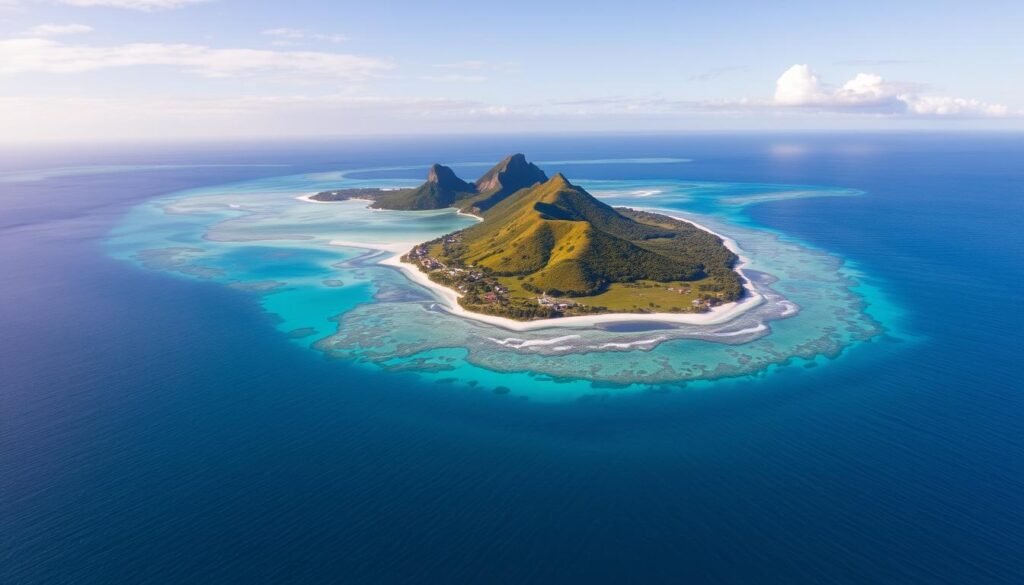
Rodrigues Island is surrounded by a vast turquoise lagoon and coral reefs
With approximately 3,300 miles of Indian Ocean between it and Perth, Australia (the nearest major city to the east), Rodrigues Island defines remote tropical paradise. This autonomous outer island of Mauritius measures just 11 miles long and 5 miles wide, yet offers an astonishing diversity of landscapes and experiences.
What makes Rodrigues special is its genuine isolation and preservation of traditional island life. The fish-shaped island is surrounded by a vast turquoise lagoon twice its size, creating a natural aquarium for marine exploration. Inland, you’ll find verdant valleys, endemic plants, and a pace of life that seems to belong to another era. With a population of just 40,000 people who maintain their unique Creole culture, visitors experience authentic island hospitality rarely found in more developed destinations.
Why It Remains Uncrowded
Rodrigues’ extreme remoteness and limited air connections (flights only from mainland Mauritius) have kept mass tourism at bay. The island has no large resorts, international hotel chains, or cruise ship facilities. Local authorities have deliberately chosen a sustainable tourism model focused on small-scale, community-based accommodations and experiences that preserve the island’s natural and cultural integrity.
Must-Experience Activities
- Kite surfing in the shallow lagoon waters (Rodrigues is emerging as a world-class destination)
- Hiking across the island’s volcanic hills and valleys
- Visiting the François Leguat Giant Tortoise Reserve
- Exploring limestone caves with their impressive stalactites and stalagmites
- Experiencing local Sega Tambour music and dance performances
Where to Stay
Luxury: Tekoma Boutik Hotel
This elegant 15-room boutique hotel overlooks Anse Ally beach, offering stylish accommodations with sea views, a beautiful infinity pool, and excellent dining featuring local seafood and produce. The property emphasizes sustainability and local employment.
Mid-Range: Domaine de la Paix
This charming guesthouse offers comfortable rooms in a traditional Creole-style building surrounded by tropical gardens. The family-run property serves home-cooked meals using ingredients from their organic garden and provides valuable local insights.
Getting There
Fly to Sir Seewoosagur Ramgoolam International Airport in Mauritius, then take a 90-minute connecting flight to Rodrigues with Air Mauritius. The limited flight schedule (usually 1-2 daily) helps maintain the island’s uncrowded atmosphere.
Best Time to Visit
May to November offers the most pleasant weather with lower humidity and temperatures around 75-80°F (24-27°C). December to April brings warmer temperatures but also higher humidity and occasional cyclone risk. November to April is best for diving with excellent visibility.
5. Iriomote Island, Japan: Asia’s Secret Tropical Wilderness
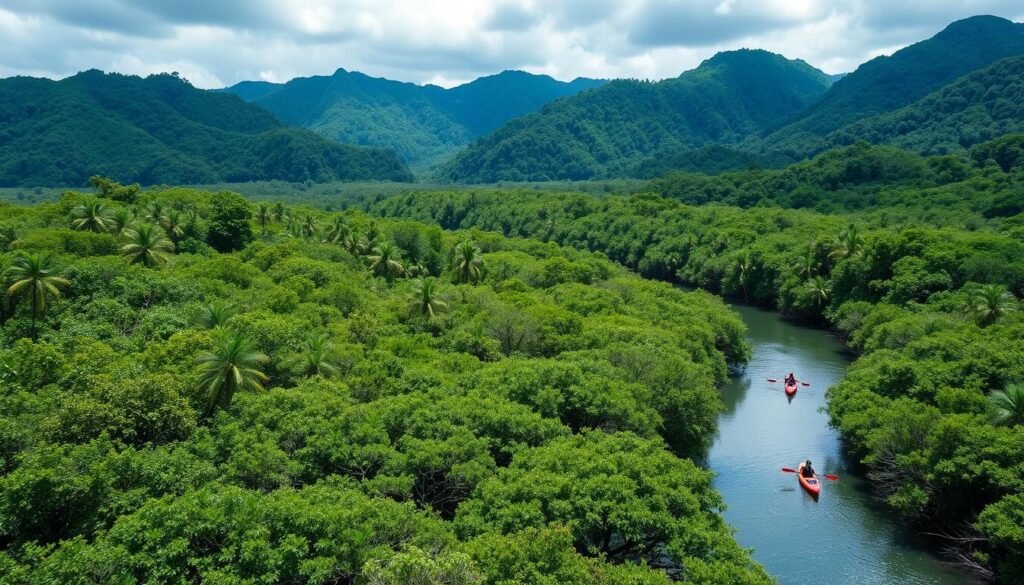
Iriomote’s mangrove forests and rivers create a unique tropical wilderness
When most travelers think of Japan, tropical beaches and coral reefs rarely come to mind. Yet the country’s southernmost prefecture, Okinawa, harbors a collection of subtropical islands that rival Thailand’s famous beaches – without the crowds. Among these, Iriomote Island stands out as a pristine natural paradise.
Covering 113 square miles but home to fewer than 2,500 residents, Iriomote is 90% covered in dense jungle and mangrove forests. The island is part of Iriomote-Ishigaki National Park and was designated a UNESCO World Heritage site in 2021. What makes it special is the remarkable combination of accessible wilderness and comfortable infrastructure – you can kayak through pristine mangrove forests in the morning and enjoy fresh sashimi at a waterfront restaurant by evening.
Why It Remains Uncrowded
Iriomote’s location at Japan’s far southwestern edge (closer to Taiwan than Tokyo) has kept it off most international tourists’ itineraries. The island has no airport, requiring visitors to fly to neighboring Ishigaki Island and then take a ferry. Additionally, much of the island is protected as national park land, limiting development to a few small villages along the coast.
Must-Experience Activities
- Kayak through Japan’s largest mangrove forest on the Urauchi River
- Hike to Pinaisara Falls, the tallest waterfall in Okinawa Prefecture
- Snorkel or dive at Manta Way, where manta rays are frequently spotted
- Take a water buffalo cart ride through the jungle
- Stargaze on Hoshizuna Beach (Star Sand Beach), named for its star-shaped sand grains

The star-shaped sand grains of Hoshizuna Beach are actually tiny fossilized organisms
Where to Stay
Luxury: Nirakanai Iriomotejima
This elegant resort blends Japanese aesthetics with tropical comfort, offering spacious rooms with ocean views, an infinity pool overlooking the sea, and exceptional dining featuring Okinawan specialties and fresh seafood. The property can arrange nature excursions with knowledgeable local guides.
Mid-Range: Pension Hoshinosuna
This charming family-run inn offers comfortable rooms with balconies overlooking the sea, home-cooked meals featuring local ingredients, and a warm, welcoming atmosphere. The knowledgeable owners provide excellent advice on exploring the island.
Getting There
Fly to Ishigaki Island (direct flights from Tokyo, Osaka, and Taipei), then take a 40-minute ferry to Iriomote. The island has no public transportation, so rent a car or use taxi services to explore. Many attractions are accessible only by boat or kayak tours.
Best Time to Visit
March to early May and October to November offer pleasant temperatures and less rainfall. Summer (June to September) brings higher humidity but excellent conditions for marine activities. Winter (December to February) is mild but can be windy with occasional cool days.
6. Saba: The Caribbean’s Unspoiled Queen
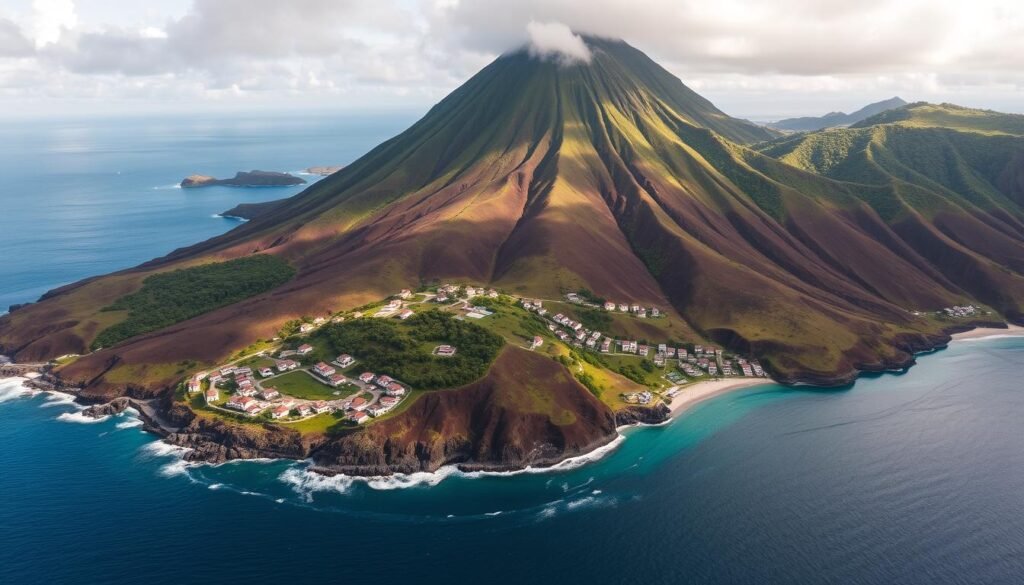
Saba’s dramatic volcanic landscape rises sharply from the Caribbean Sea
Known as “The Unspoiled Queen of the Caribbean,” Saba defies typical tropical island expectations. This 5-square-mile Dutch municipality has no beaches, no cruise ship terminals, and no all-inclusive resorts. Instead, it offers a dramatic volcanic landscape rising 2,910 feet above sea level, creating one of the most visually striking islands in the Caribbean.
What makes Saba special is its pristine natural environment both above and below water. The island is home to the Saba National Marine Park, which surrounds the entire island and features some of the Caribbean’s healthiest coral reefs and most spectacular underwater volcanic formations. On land, Mount Scenery’s cloud forest harbors rare orchids and tropical birds, while charming villages with immaculate white cottages and red roofs create a distinctive cultural landscape.
Why It Remains Uncrowded
Saba’s lack of beaches and challenging accessibility have naturally limited mass tourism. The island’s tiny airport has one of the world’s shortest commercial runways (1,300 feet), accommodating only small aircraft. Most visitors arrive via ferry from St. Maarten. Additionally, the steep terrain has prevented large-scale development, with the island’s population remaining stable at around 2,000 residents.
Must-Experience Activities
- Hike the 1,064 steps to Mount Scenery’s summit for panoramic Caribbean views
- Dive the underwater pinnacles and volcanic formations of the marine park
- Explore the charming village of Windwardside with its distinctive architecture
- Visit the Saba Conservation Foundation to learn about local environmental initiatives
- Shop for Saba Lace, a traditional handcraft dating back to the 1880s
Where to Stay
Luxury: Queen’s Gardens Resort & Spa
Perched 1,200 feet above sea level, this boutique hotel offers 12 unique suites with panoramic views, private hot tubs, and elegant furnishings. The property’s restaurant serves exceptional cuisine featuring fresh local ingredients and Dutch influences.
Mid-Range: El Momo Cottages
These eco-friendly cottages are nestled in the hillside with stunning views of the Caribbean Sea. The simple but comfortable accommodations feature private balconies, and the property’s communal areas encourage interaction with fellow travelers.
Getting There
Fly to St. Maarten, then take either a 12-minute flight on Winair or a 90-minute ferry ride to Saba. The limited transportation options and challenging arrival (Saba’s airport landing is famous among aviation enthusiasts) help maintain the island’s exclusivity.
Best Time to Visit
December to April offers the driest weather and most pleasant temperatures. May to November brings occasional rain showers but fewer visitors. The island is generally cooler than most Caribbean destinations due to its elevation, with temperatures at the summit 10-15°F lower than at sea level.
7. Marie-Galante, Guadeloupe: The Caribbean’s Authentic Island Escape

Historic windmills dot Marie-Galante’s landscape, remnants of its sugar-producing past
Discovered by Columbus in 1493 and named after his flagship, Marie-Galante is a 61-square-mile island in the Guadeloupe archipelago that offers an authentic taste of the French West Indies. Unlike its more developed neighbors, this circular island has remained remarkably true to its agricultural roots and Creole traditions.
What makes Marie-Galante special is its perfect balance of pristine natural beauty and living cultural heritage. The island is known as “la grande galette” (the big cookie) for its flat, round shape, which supports traditional sugar cane cultivation and rum production. Its coastline features some of the Caribbean’s most unspoiled beaches, with powder-white sand and turquoise lagoons protected by coral reefs.
Why It Remains Uncrowded
Marie-Galante’s position as a satellite of Guadeloupe means most visitors to the region stay on the main islands. Access requires either a ferry ride or a small plane from Pointe-à-Pitre, creating a natural filter that keeps casual tourists away. The island’s commitment to agriculture rather than tourism development has preserved its authentic character, with no large resorts or international hotel chains.
Must-Experience Activities
- Visit one of the island’s three rum distilleries (Bellevue, Bielle, and Poisson)
- Relax on Plage de la Feuillère, a pristine 2-mile stretch of white sand
- Explore Habitation Murat, a restored 19th-century sugar plantation
- Snorkel the coral reefs protecting the island’s western coast
- Experience traditional quadrille dancing and local music at village gatherings

Marie-Galante’s beaches remain pristine and uncrowded even during peak season
Where to Stay
Luxury: Château Mire
This beautifully restored plantation house offers elegant suites with antique furnishings and modern amenities. Set amid tropical gardens with ocean views, the property features a pool, excellent dining highlighting local ingredients, and rum tastings from the island’s distilleries.
Mid-Range: La Rose du Brésil
Located in a vast tropical garden near Grand-Bourg, this charming property offers comfortable bungalows and villas with distinctive Creole architecture. The friendly owners provide personalized service and invaluable local recommendations.
Getting There
Fly to Pointe-à-Pitre International Airport in Guadeloupe, then take either a 30-minute flight with Air Antilles or a 45-minute ferry ride to Marie-Galante. Ferries operate several times daily from Pointe-à-Pitre and Saint-François.
Best Time to Visit
December to April offers the most pleasant weather with lower humidity and temperatures around 75-85°F (24-29°C). May to November brings occasional rain showers but fewer visitors. The island celebrates Carnival in February/March and hosts rum festivals in late spring.
Sustainable Travel Tips for Preserving Uncrowded Paradise

Supporting local artisans and traditions helps preserve authentic island culture
The very qualities that make these islands special – their pristine environments, authentic cultures, and lack of crowds – also make them vulnerable. As a privileged visitor to these hidden gems, consider these practices to ensure they remain unspoiled for future travelers:
Environmental Responsibility
- Pack reef-safe sunscreen to protect coral ecosystems
- Bring a reusable water bottle, shopping bag, and utensils
- Choose accommodations with strong environmental practices
- Respect wildlife by maintaining appropriate distances
- Stay on marked trails when hiking to prevent erosion
Cultural Preservation
- Learn basic phrases in the local language
- Ask permission before photographing people
- Dress respectfully according to local customs
- Support locally-owned businesses and accommodations
- Participate in community-based tourism initiatives
Avoiding Peak Seasons
One of the most effective ways to reduce your impact while enjoying a more authentic experience is to visit during shoulder seasons. Not only will you encounter fewer fellow travelers, but you’ll also:
- Reduce strain on local infrastructure during busy periods
- Often enjoy lower prices for accommodations and activities
- Experience more authentic interactions with residents
- Have more flexibility with reservations and itineraries
- Support the local economy during periods when income might otherwise be scarce
Pro Tip: Consider “climate-conscious” timing for your visit. For Caribbean and Asian destinations, traveling during the early shoulder season (April-June) rather than peak winter months not only means fewer crowds but also reduces your carbon footprint, as accommodations require less energy for cooling compared to the hottest summer months.
Finding Your Perfect Uncrowded Island: A Comparison Guide
| Island | Best For | Landscape | Accessibility | Budget Level | Ideal Visit Length |
| Côn Đảo, Vietnam | History buffs, beach lovers | Mountainous, beaches, coral reefs | Moderate (flight from Ho Chi Minh) | $$-$$$ | 4-5 days |
| Providencia, Colombia | Divers, cultural explorers | Volcanic, coral reefs, beaches | Challenging (multiple connections) | $$ | 5-7 days |
| Dominica | Hikers, nature enthusiasts | Rainforest, mountains, hot springs | Moderate (regional connections) | $$-$$$ | 7-10 days |
| Rodrigues, Mauritius | Complete escapists, kite surfers | Lagoon, hills, caves | Challenging (via Mauritius only) | $$ | 7-10 days |
| Iriomote, Japan | Adventure seekers, wildlife watchers | Jungle, mangroves, beaches | Moderate (flight + ferry) | $$$ | 3-5 days |
| Saba | Hikers, divers, solitude seekers | Volcanic mountain, no beaches | Moderate (via St. Maarten) | $$$ | 3-4 days |
| Marie-Galante | Foodies, beach lovers, culture enthusiasts | Flat, beaches, agricultural | Moderate (via Guadeloupe) | $$ | 4-6 days |

The ultimate reward: finding your own piece of paradise away from the crowds
Embracing the Road Less Traveled
In an era of overtourism and Instagram-driven travel trends, these seven islands represent the increasingly rare opportunity to experience tropical paradise as it was meant to be – pristine, authentic, and blissfully uncrowded. Their relative isolation has preserved not only their natural environments but also their cultural integrity, offering travelers meaningful connections that go far beyond the typical resort experience.
The extra effort required to reach these destinations is richly rewarded with empty beaches, personal encounters with locals, and the profound sense of discovery that has become increasingly elusive in our hyperconnected world. By traveling mindfully and supporting sustainable tourism initiatives, you can help ensure these hidden gems remain unspoiled for generations to come.
Which of these uncrowded tropical islands calls to you? Whether you’re drawn to Dominica’s lush rainforests, Rodrigues’ remote tranquility, or Marie-Galante’s authentic charm, the road less traveled promises experiences that no crowded destination can match. The only question is: how soon can you escape?
Ready to Plan Your Escape?
Subscribe to our newsletter for exclusive travel tips, hidden destination reveals, and special offers on accommodations in these uncrowded paradises.